''Homes'' Zine
The Challenge
How can I design within an A5 magazine to best interpret the text and visualise the core messages within the provided copy? I had to think about layouts as well as learning a brand-new software – Adobe InDesign which was a challenging first project at university.
How can I visually show the core messages from the copy into a visual format of a zine?
The Copy
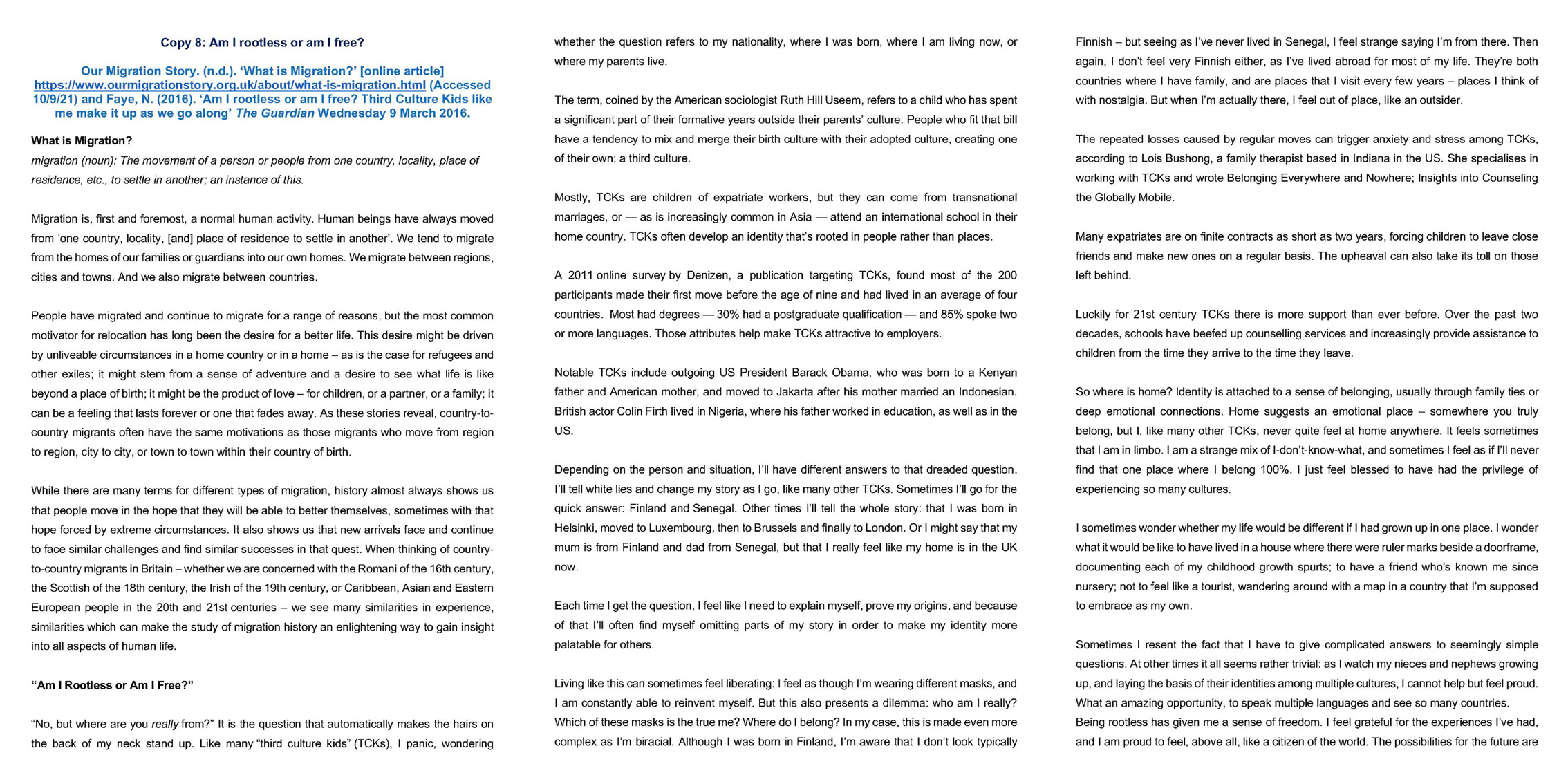
I was given a copy from ‘What is Migration?’ [online article] ‘Am I rootless or am I free? Third Culture Kids like me make it up as we go along’ The Guardian Wednesday 9 March 2016.
Before I began any designs, I read the entire brief so that I could gage a good idea as to what it was about and this could then inspire my design ideas for the zine.
Column and Grid Workshop
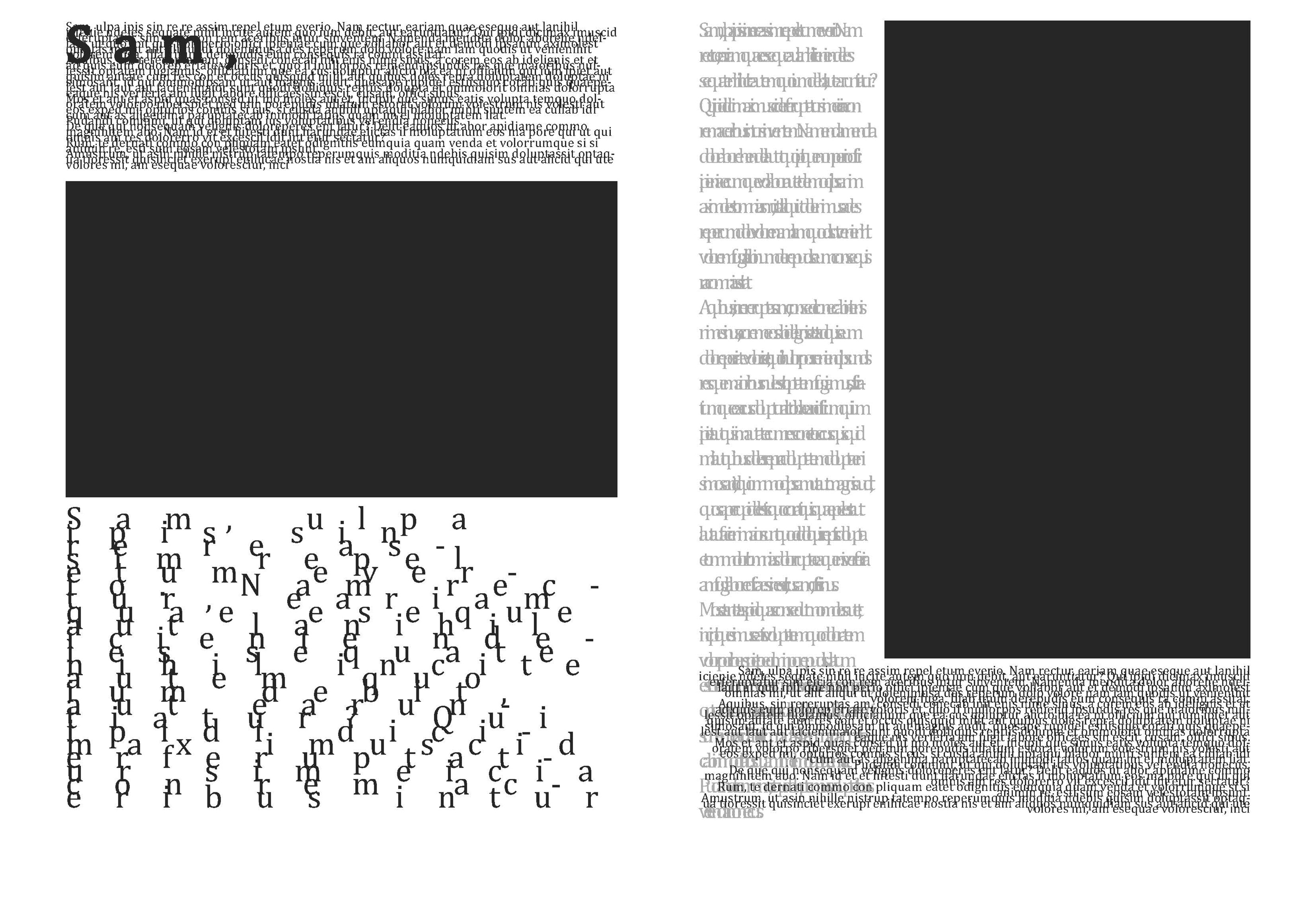
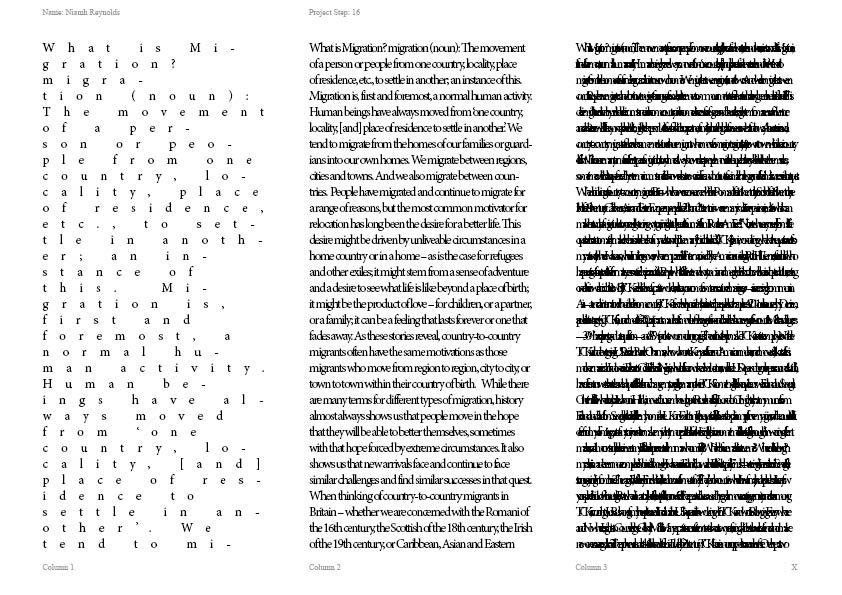
One of the first workshops that we had for this brief was our column and grid workshop, led by one of our university lecturers.
This workshop helped us to understand the importance of using columns and grids in design work meant for print such as magazines and how this can affect how the type and layouts look on the page both digitally and printed.
Font Workshop
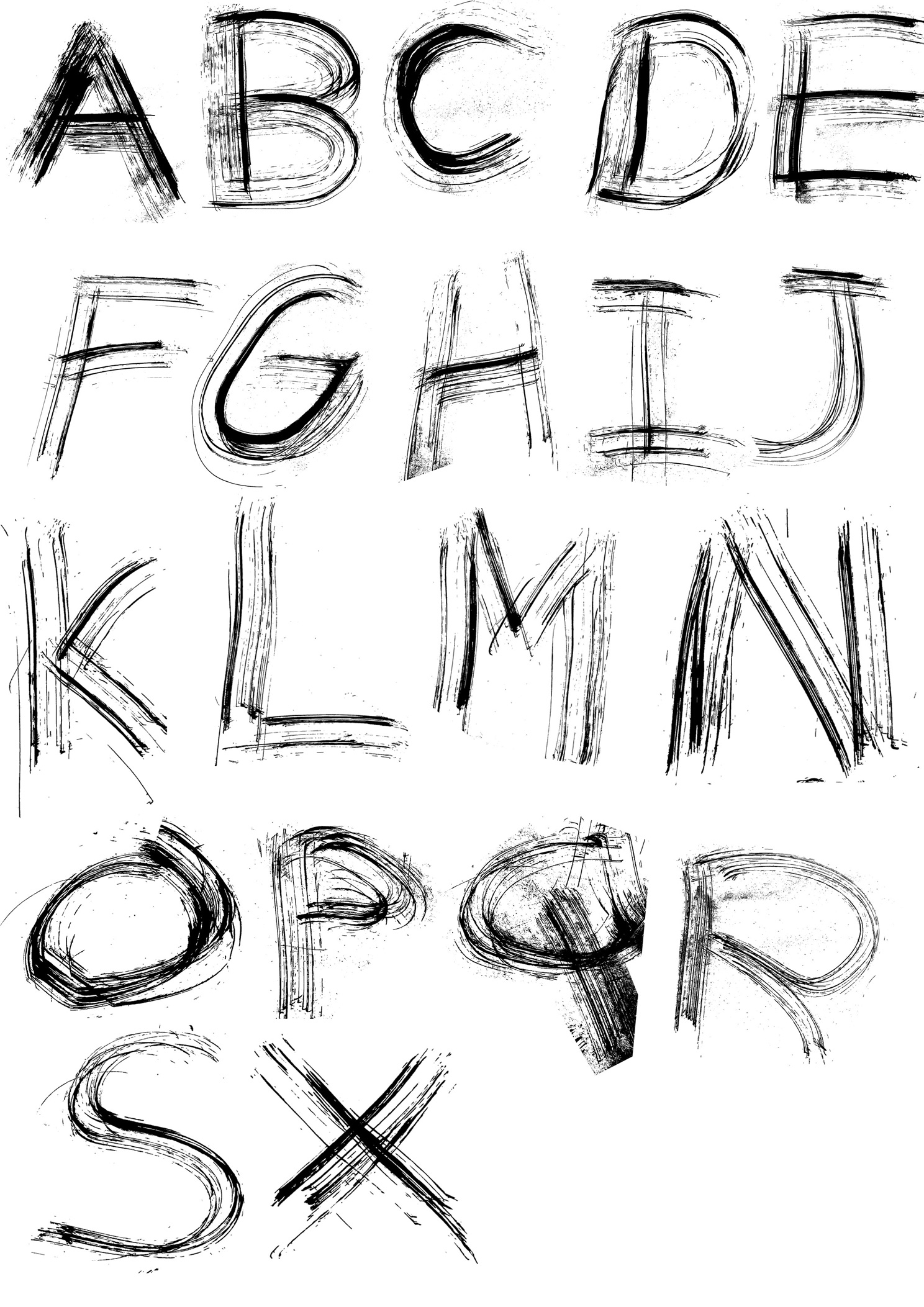
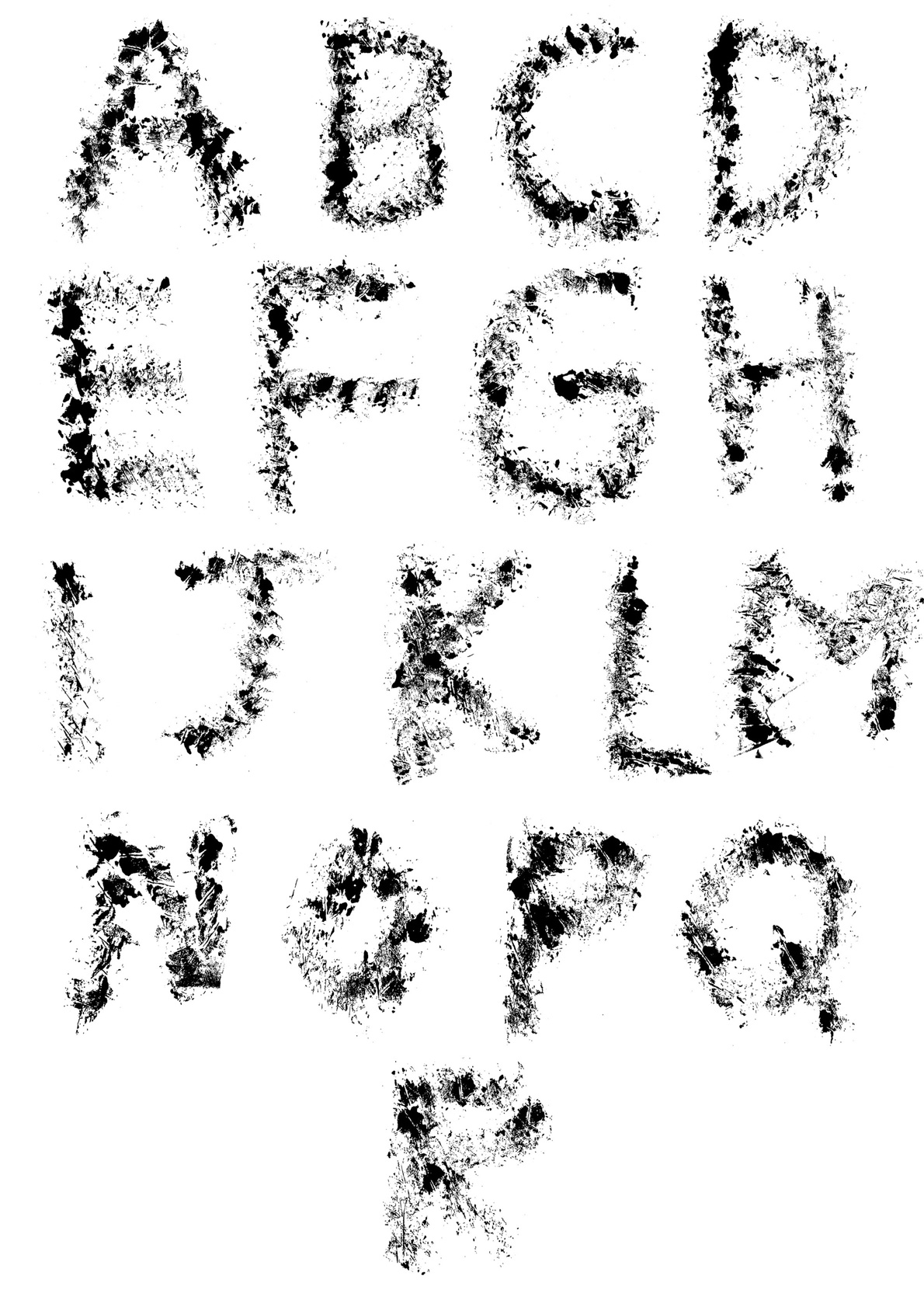
Another workshop that I enjoyed in this project was a workshop on creating our own fonts. I found it exciting to be able to create my own typeface as I wasn’t expecting to be able to push my creative limits this far so early on in my university degree.
Whilst I decided not to use either of my typefaces in my final zine, I had a lot of fun experimenting with different ways of creating typefaces that were interesting and unique.
Type experiment workshop
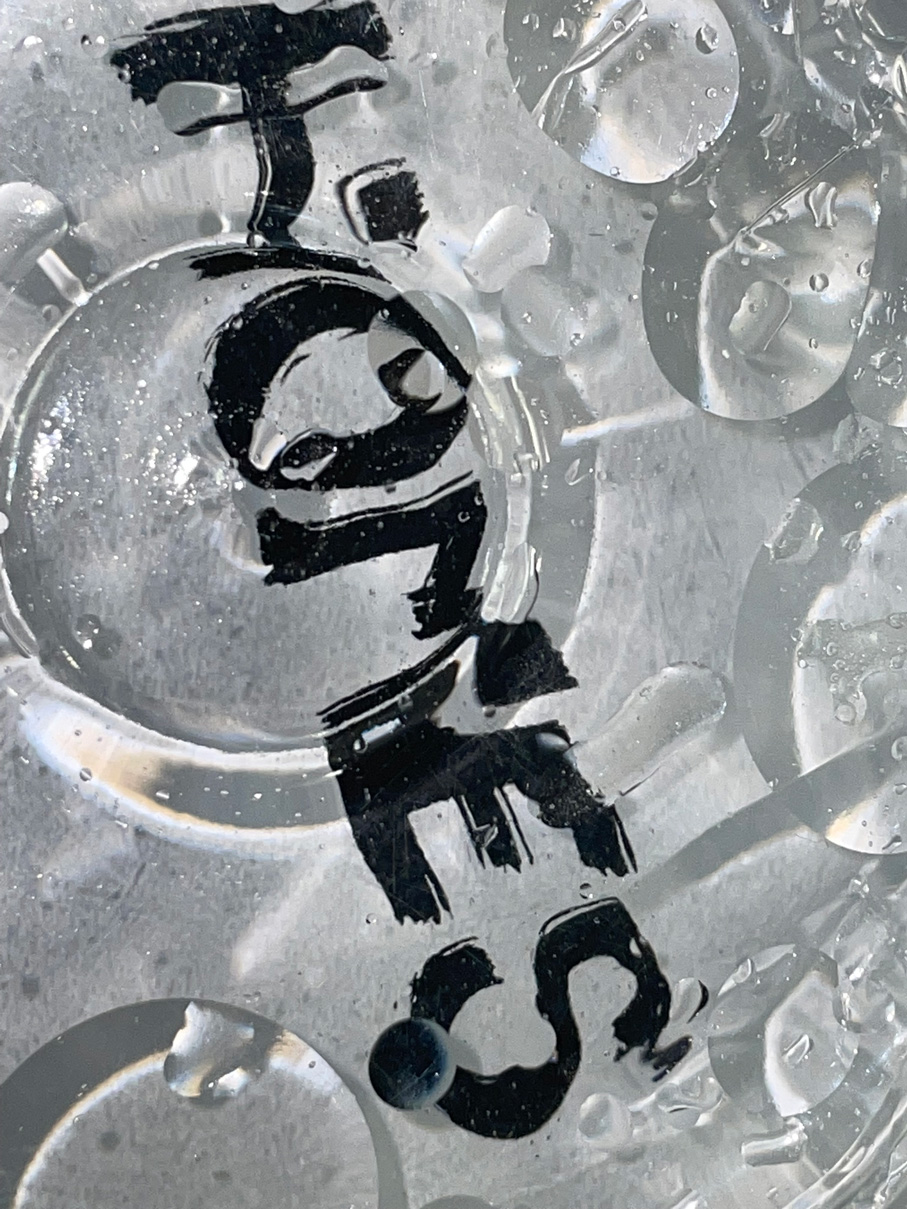
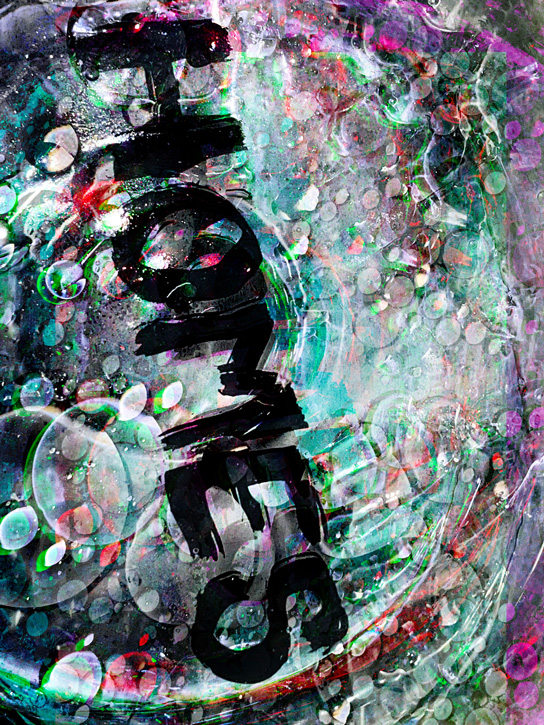
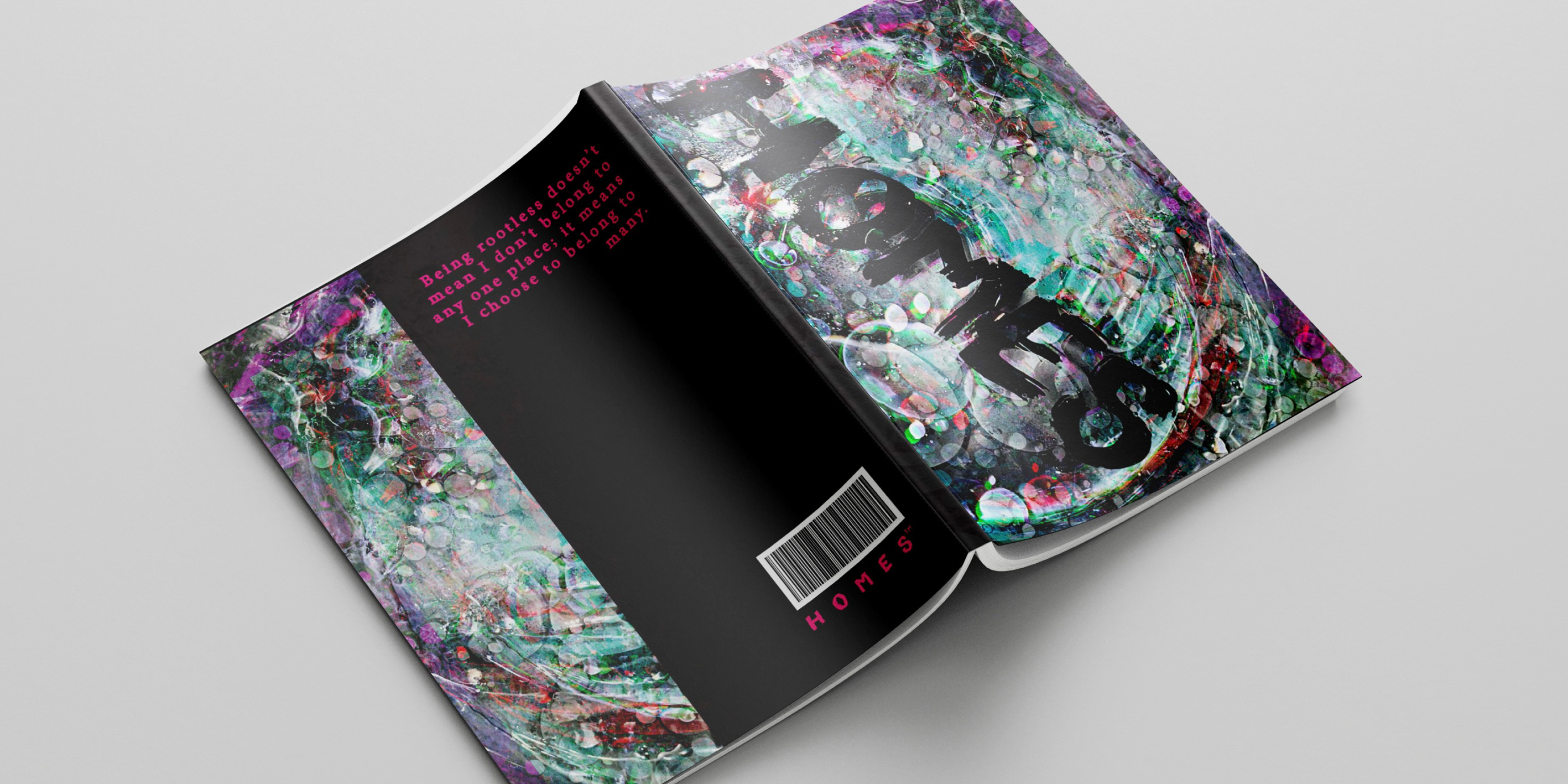
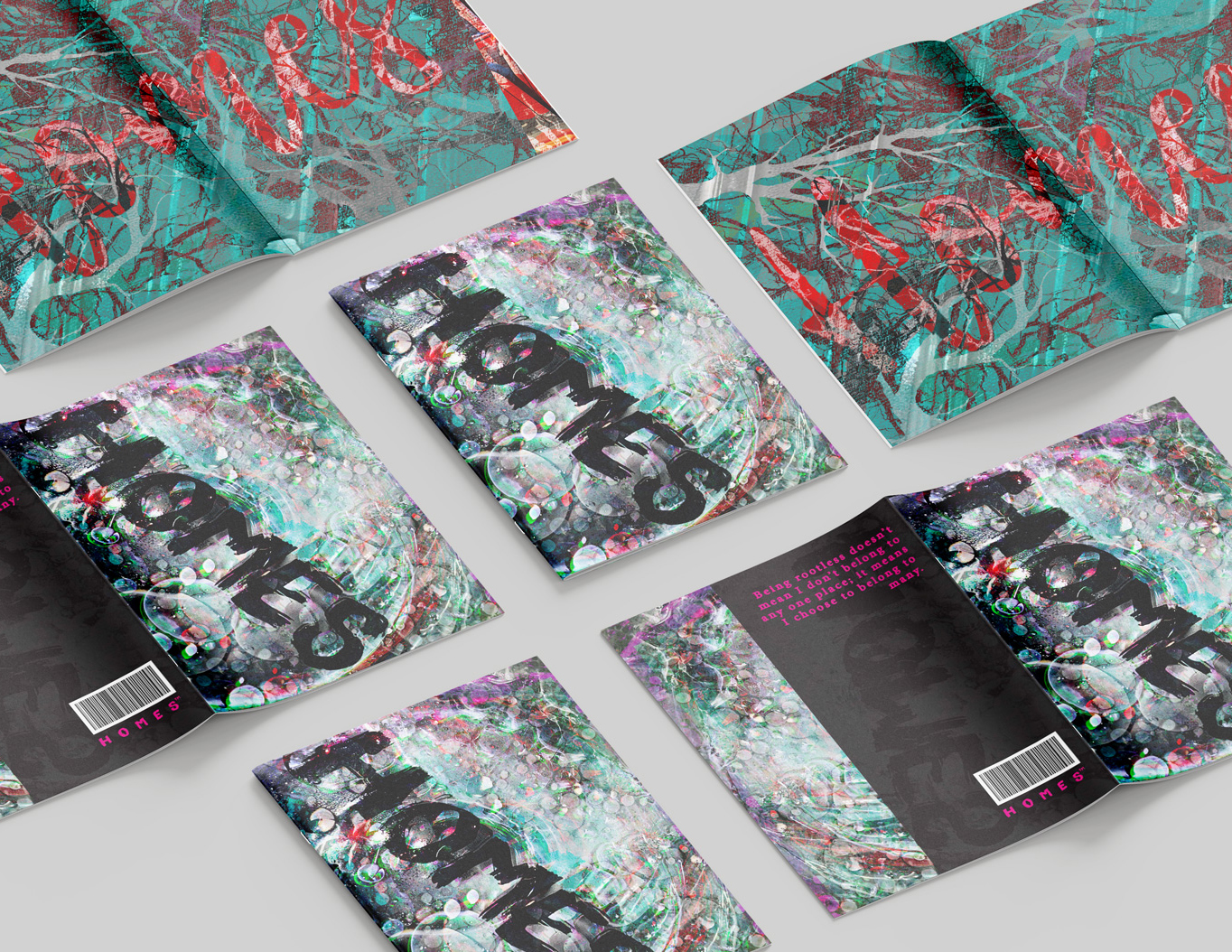
This for me was the most useful workshop that we had within this unit. I enjoyed using different materials to create different effects with the type for my zine title page. I felt that I took some good photographs of my type in various liquids and containers.
After some editing on Adobe Photoshop, I created a strong image which I decided to then use as my front and back cover spread in my final zine design.
Reflection
Within this project, I learnt new ways to develop my design process including using physical objects to create designs, learning more about the less visible areas of design and scanning things into my laptop.
I enjoyed experimenting with boring type by using physical objects such as liquids and containers as this felt fresh and new to me due to me never using physical objects to affect my designs before. One thing that I found difficult was wrapping my head around using different grids and columns. This is because I had never given it much thought before and I had just focused on the design not the less visible areas of design such as grids and columns. One area that I am especially proud of is my final front cover design for my zine because I think that it is imaginative and would draw people to my zine if they saw it in a store.
If I were to recreate this zine, one thing that I would change is the amount of experimenting that I did with the inside pages. Even though I enjoyed all the workshops, I felt a bit out of my comfort zone with using real world items to develop my designs further as I had always been taught that Graphic Design is purely digital.